A short graphic love note to my coworkers and our South Minneapolis community.
click the image to download the PDF.
A short graphic love note to my coworkers and our South Minneapolis community.
click the image to download the PDF.
The vinyl mural will be a two sided visual representation of the complexity of what Minneapolis “used to be” juxtaposed by an imagined version of what Minneapolis is “going to be” in 2075 (50 years into the future).
My approach and creative inquiry has focused on the following key factors/components which include; the specific spatial considerations and the inside/out the location of the mural, and the translucent qualities of the printed vinyl murals throughout the building.
It will be installed on the third floor of the Minneapolis Public Service Building on a glass wall that separates public space and nonpublic office space. The glass wall is both a physical divide and an opportunity to be a visual bridge between a city department and the public whom the city is accountable to serving.
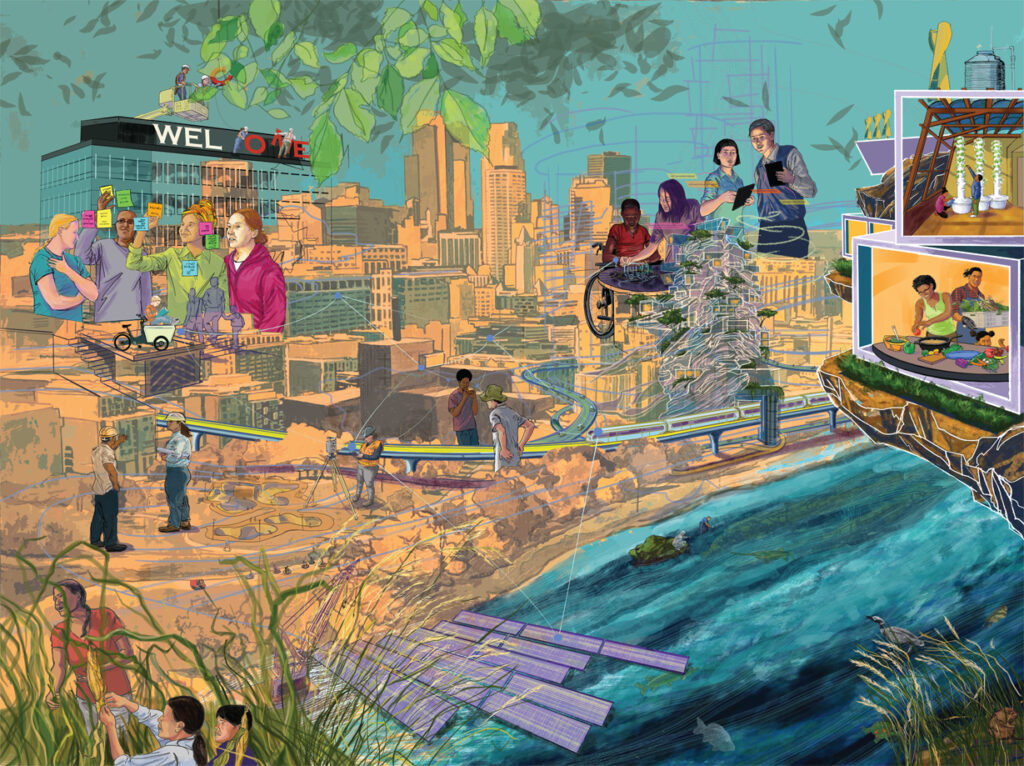
“Used to be/going to be” ink on vinyl, 156″ x 117″ 2025
Returning the River, Illuminate the Lock, 2017
Perfromance Installation, hand rendered animation projection. Van Avery, Strange, Hoyt.
Plunge. 2017
Hand rendered animation
Imagining Equity, Our Past
140 ft hand painted cranky about the history of the development of Minneapolis. Poetry and Narration by Diver Van Avery. 2017
Imagining Equity, Our Future
90 ft hand painted cranky.
Poetry and Narration by Diver Van Avery, 2017
Imagining Equity Summary
2016
National Museum of the Soul’s Vanities
2014
Poho Posit – Artist(s) on the Verge 3
2012
Hope Silent
2006
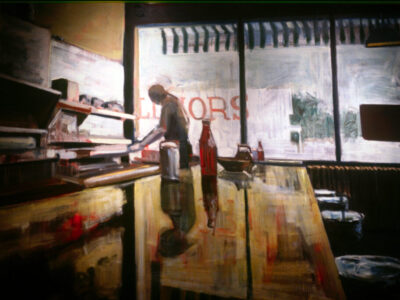
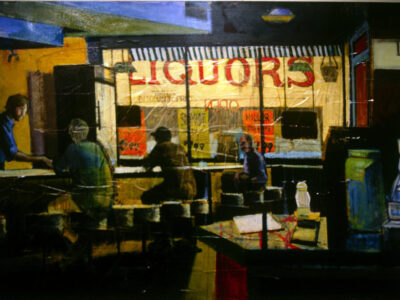
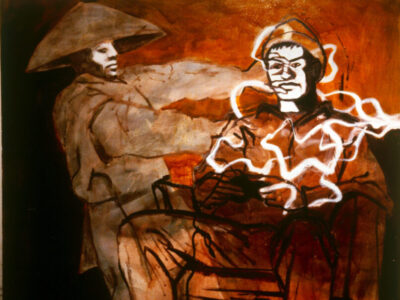
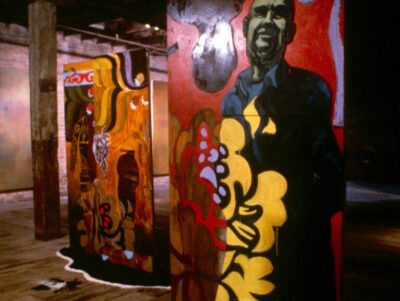


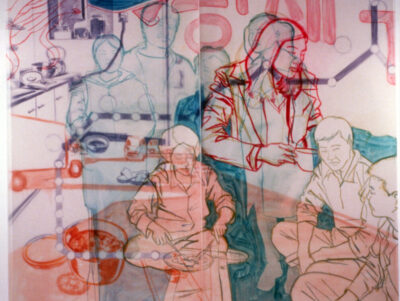
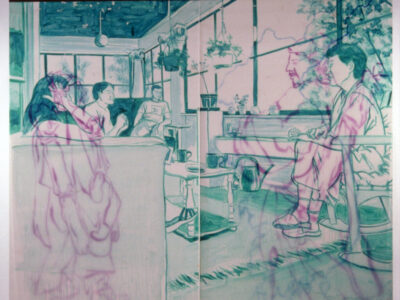
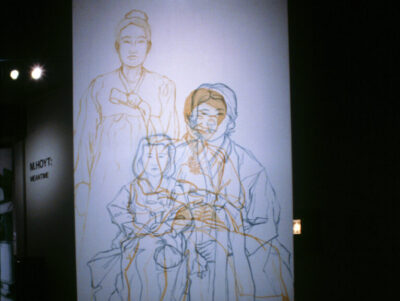
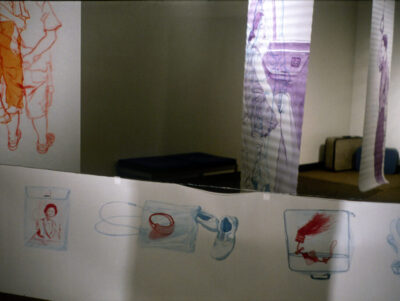
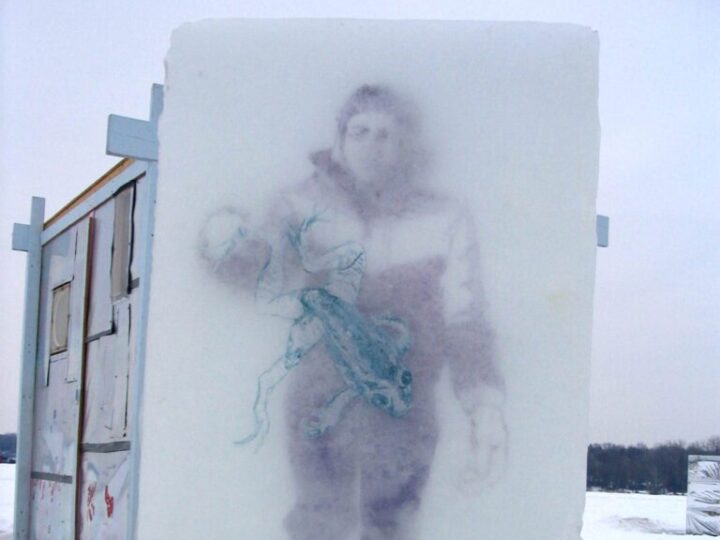
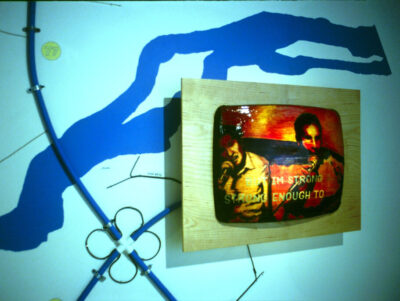
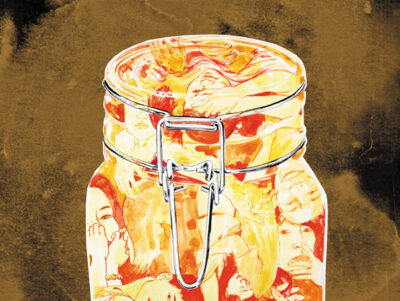
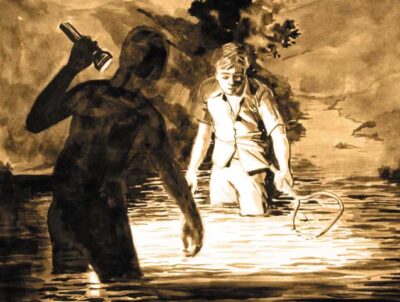
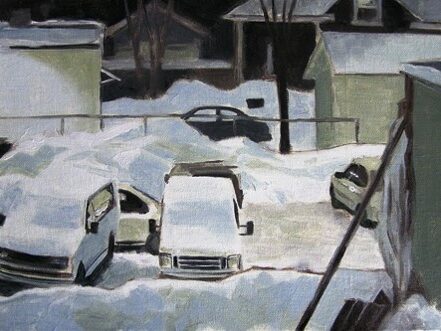
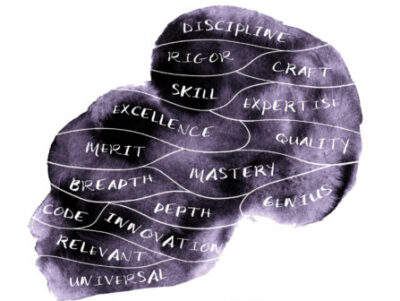
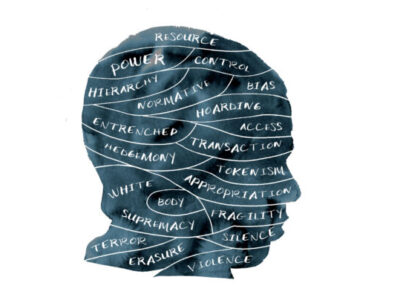


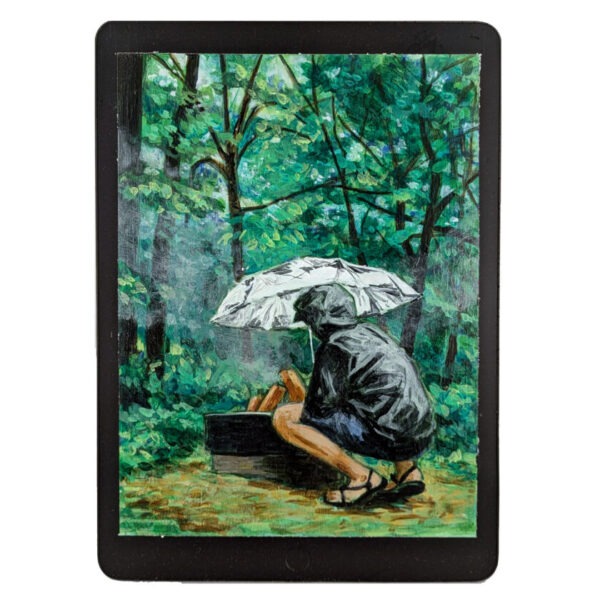
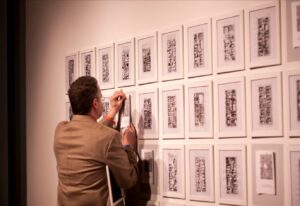
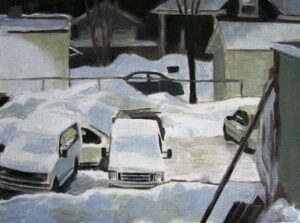
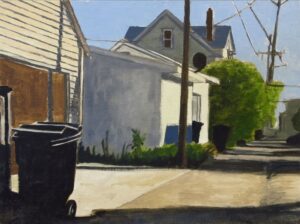
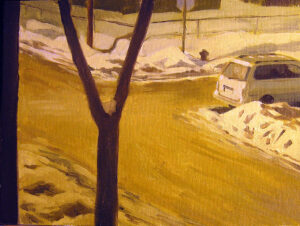
A series of small paintings on cast polyurethane resin. There are currently around 50 works in progress, ranging from 9″x7″ to 4.5″x2.25

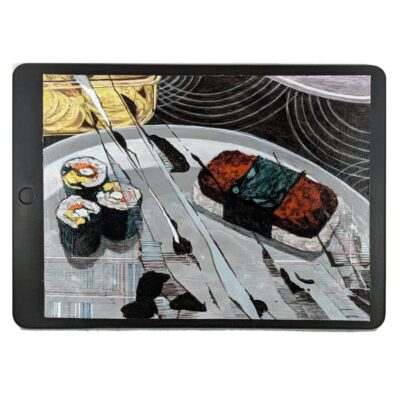
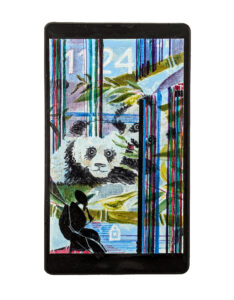
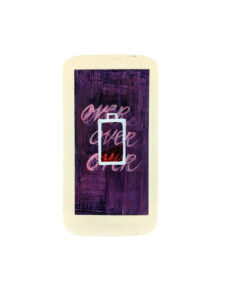
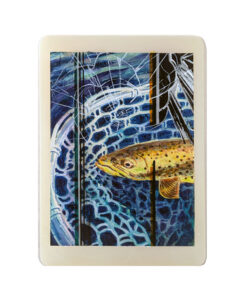
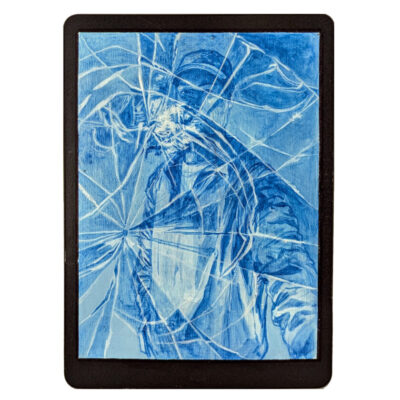

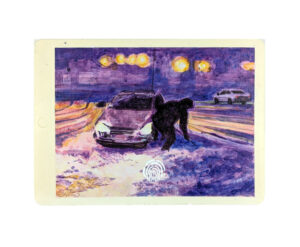
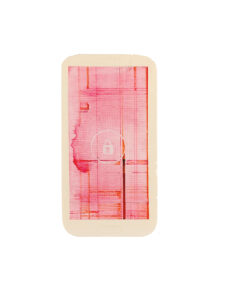
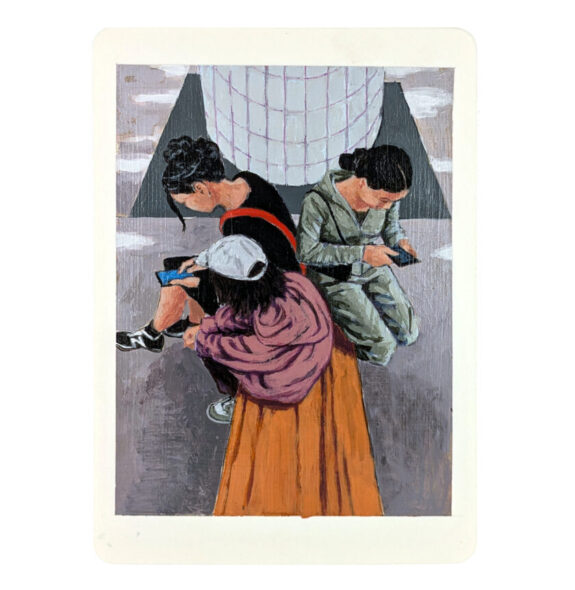
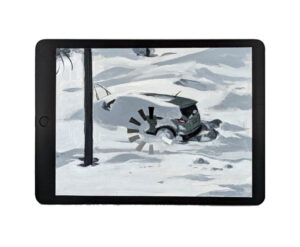
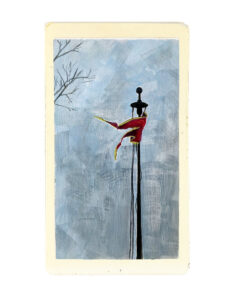
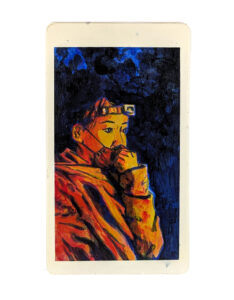
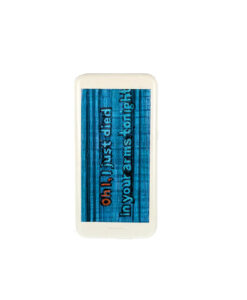
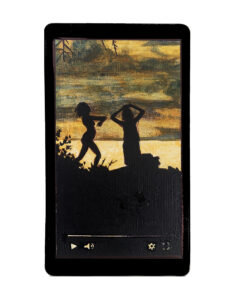

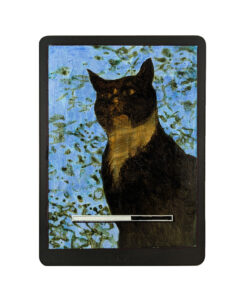
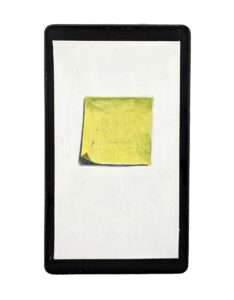


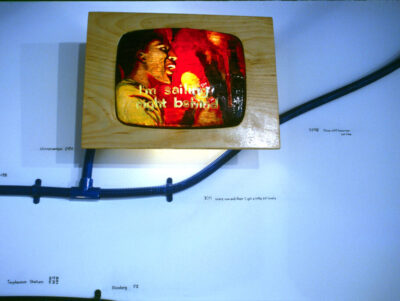
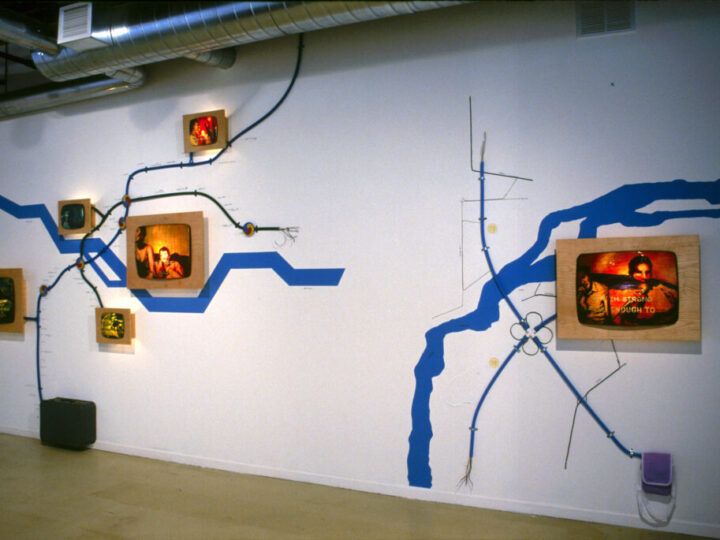
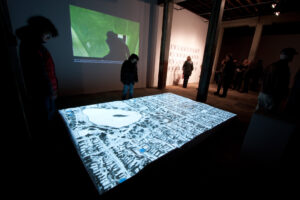
Poho Posit, a neighborhood based online platform and public installation investigating and reimagining daily posts on an online community forum. Hand rendered animations, hand rendered interactive online map of Powderhorn Park Neighborhood, topographic rendering of Powderhorn Park Neighborhood as projection map, and an interactive website archive of community dialogue.
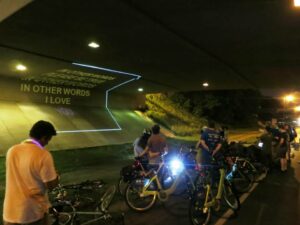
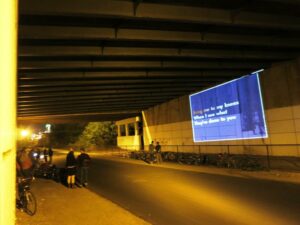
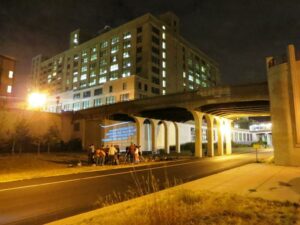
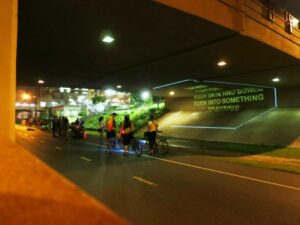
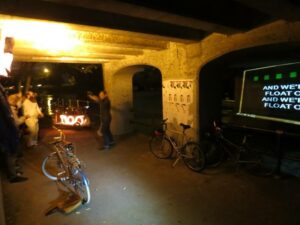
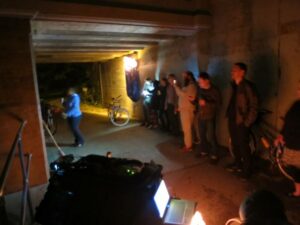
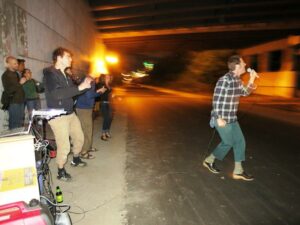
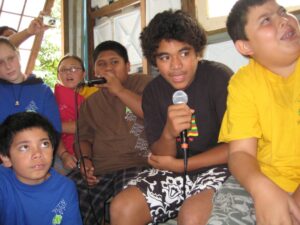
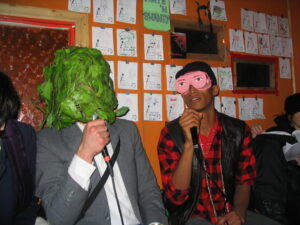
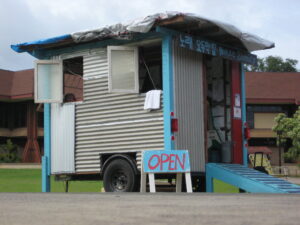
The Rolling Revelry was a mobile karaoke platform that traveled the Twin Cities from 2013-2018. It traveled bike paths, sidewalks, city streets, and underpaths in search of willing singers.
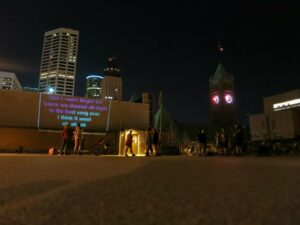
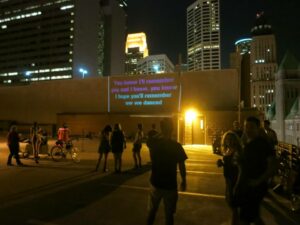
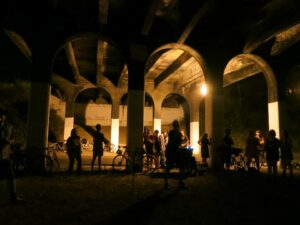
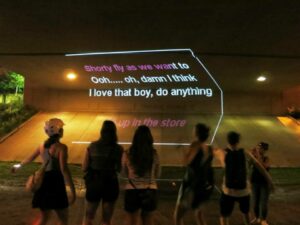

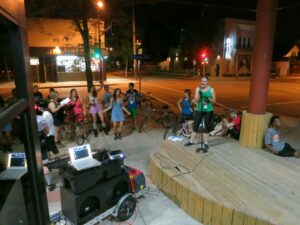
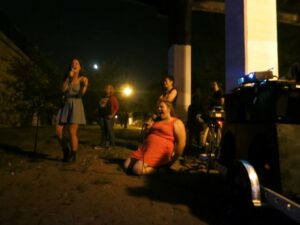
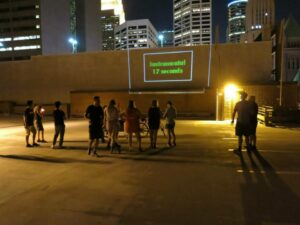
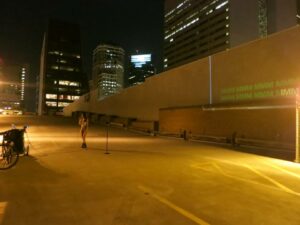
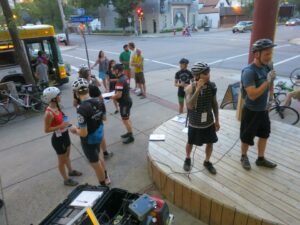
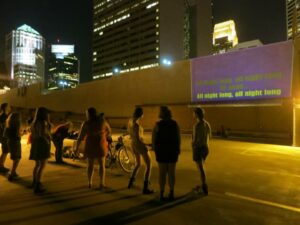
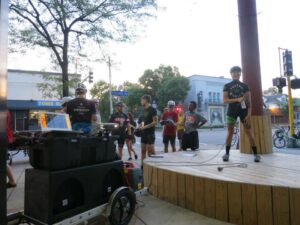
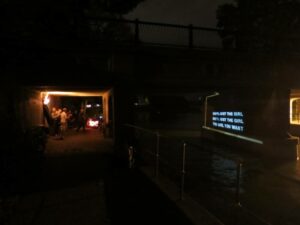

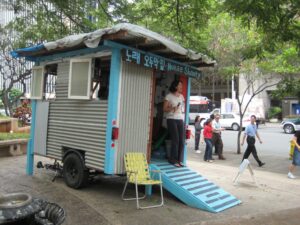
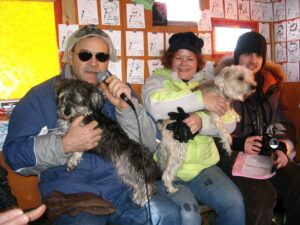
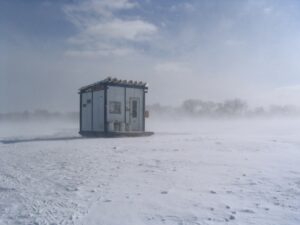
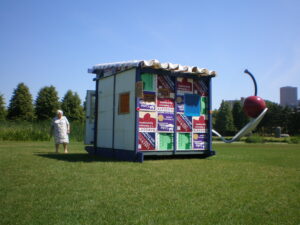
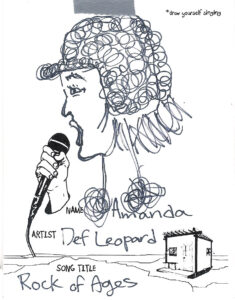
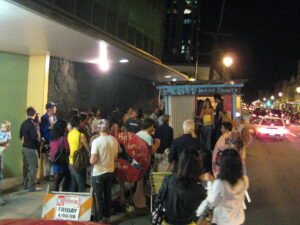
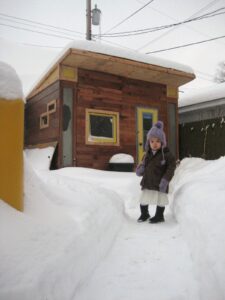
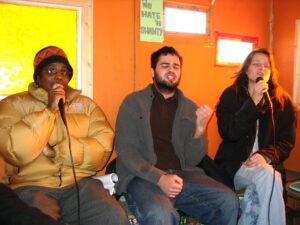
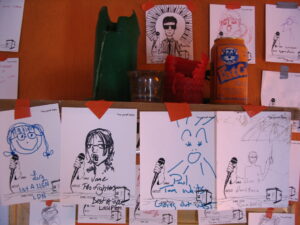
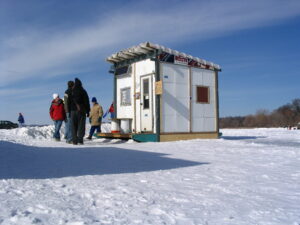
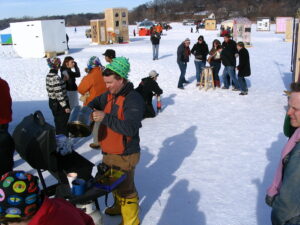
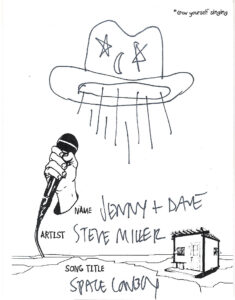
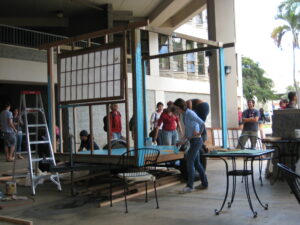
The Norae Shanty was developed as part of the 2005 Art Shanty Projects as a space to explore intimate connection through song. There have been multiple iterations of the Norae Shanty including; the original on-ice installation (2005-2008), a mobile version based on Oahu and the University of Hawai’i Manoa (2008), and a semi-permenant version based in South Minneapolis (2008-2015).

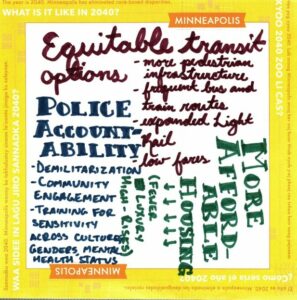
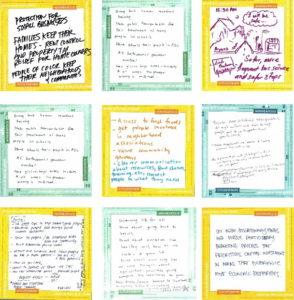
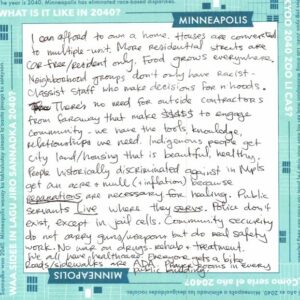
About the mobile engagement tool.
“Our Past” a 140 foot cranky that educates the public about how our city came to be, and the impacts of racially discriminatory policies throughout our cities development.
“Our Future” a 75 foot cranky that educates the public about present day challenges and opportunities for public policy, and how public policy recommendations can shape policy (through an equity lens) within the final 2040 comprehensive plan.
Imagining Equity is a mobile engagement tool commissioned by the City of Minneapolis Community Planning and Economic Development Department.
Imagining Equity traveled to public parks, community events, and neighborhood convenings across the City of Minneapolis to invite residents to:
- learn about the history of how Minneapolis came to be.
- learn about how the voices, experiences, and ideas of residents can inform public policy. Create artful written and visual responses as policy recommendations.
- learn how the Citiy’s comp planning process works.
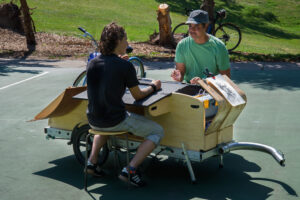
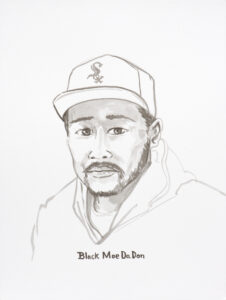
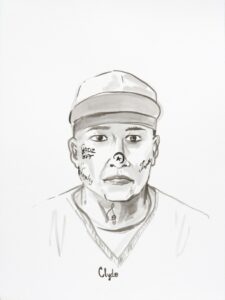
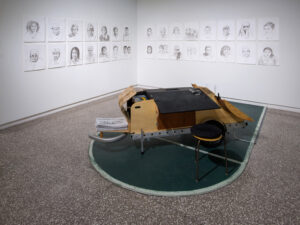
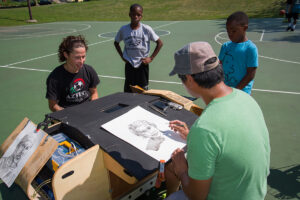
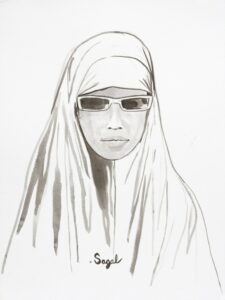
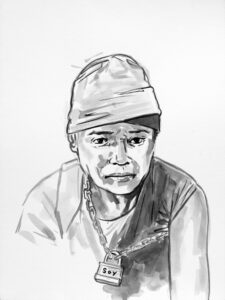
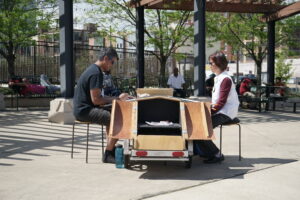
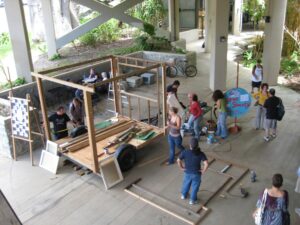
One Another – a mobile portrait making platform that invited stranges into conversation and the act of seeing, looking, and drawing one another. I designed and constructed it to be a fully collapsable two-sided drawing desk built on a bicycle trailer. From 2013 to 2020 it has traveled to public parks, libraries, festivals, rural communities, and the streets and sidewalks of the Twin Cities and Philly. I have had the honor of drawing and being in conversation with over 1,200 individuals during the span of this project.